Gangaur: What the Festival Means for Rajput Brides-to-Be and Newly Matched Couples
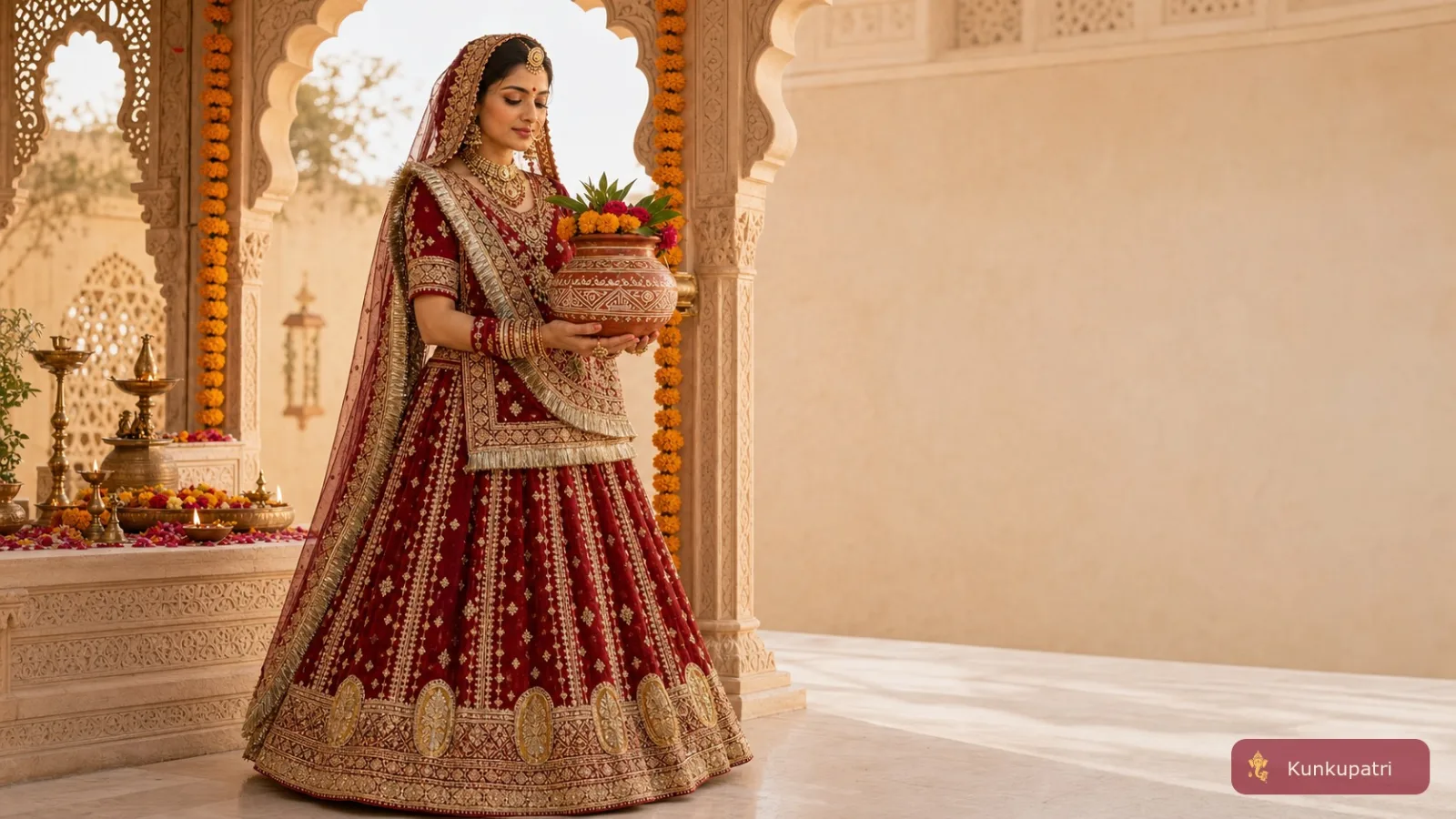
There is a particular hush that falls over Rajasthan's havelis and courtyards in the days after Holi, followed by an explosion of colour, song and quiet devotion. This is Gangaur — one of the most cherished festivals in Rajput households, and one that carries special meaning for young women who are betrothed, newly wed, or simply dreaming of the home they will one day build. For families connected to kunkupatri.com, an exclusive Rajput matrimonial platform, Gangaur season often becomes a time when conversations about marriage, tradition and togetherness naturally come to the fore.
Whether you are a bride-to-be preparing for your first Gangaur as part of a new family, or a newly matched couple discovering each other's customs, this festival offers a beautiful window into what marriage means within Rajput culture.
What Is Gangaur? A Festival Close to Every Rajput Heart
Gangaur, celebrated widely across the gangaur Rajasthan tradition, is dedicated to Goddess Gauri — a form of Parvati — and, according to tradition, honours her reunion with Lord Shiva. The festival typically begins the day after Holi and continues for about sixteen days, culminating in a grand procession where beautifully adorned idols of Isar (Shiva) and Gauri are carried through the streets amid singing, folk dance and community celebration.
In many Rajput families, Gangaur is not just a religious observance but a social and emotional occasion — a time when mothers pass down songs and rituals to daughters, when sisters gather to prepare mehendi and sweets, and when the entire household pauses to celebrate womanhood, marital harmony and the hope of a happy household. Unmarried girls, married women and even the very young take part, each with their own version of the vrat and its meaning.
The Gangaur Vrat for Marriage: Ritual, Devotion and Hope
At the heart of the festival lies the gangaur vrat for marriage, observed by unmarried girls who fast and pray for a good husband, and by married women who fast for their husband's wellbeing and a long, harmonious marriage. According to tradition, this vrat is believed to have been performed by Goddess Parvati herself, making it deeply symbolic for those seeking a life partner or wishing to strengthen an existing bond.
The rituals vary from family to family and region to region, but in many Rajput households the vrat includes preparing clay or wooden idols of Gauri, offering flowers, sindoor and sweets, singing traditional songs passed down through generations, and gathering each evening for a shared aarti. For a bride-to-be, this vrat often becomes her first personal experience of praying specifically for her future married life — a quietly powerful moment that many women say stays with them long after the wedding itself.
It's worth noting that practices differ across Rajput clans and regions, so if you're marrying into a family with customs unfamiliar to you, it's worth asking your elders — or your new in-laws — how they observe the vrat, so you can approach it with understanding and openness rather than assumption.
For Brides-to-Be: Gangaur as a Rite of Passage
For a young woman who has recently been matched for marriage — whether through family introductions or a matrimonial platform — Gangaur can feel like an emotional milestone. It is often the first festival she celebrates with an eye toward her future household, sometimes even visiting her would-be in-laws' home for the celebrations or receiving gifts and blessings from her fiancé's family.
In many communities, this is also a time when a bride-to-be starts learning the songs, recipes and rituals specific to her future family — small but meaningful ways of easing into a new identity while still honouring the one she grew up with. Rather than viewing this as pressure, many young women describe it as a gentle, joyful introduction to the customs they will carry forward, and eventually teach their own daughters.
For families in the process of finding the right match, festivals like Gangaur are often a natural conversation starter — a shared cultural touchstone that helps two families get to know each other's values even before the wedding date is fixed. If your family is currently looking for a suitable alliance, taking the time to create a free profile on Kunkupatri can be a meaningful first step, allowing you to connect with families who share the same traditions and respect for Rajput customs.
For Newly Matched Couples: Celebrating Togetherness
For couples who have recently been engaged or married, Gangaur takes on a slightly different flavour. It becomes less about seeking a match and more about celebrating the one that has been found. According to tradition, married women observe the vrat with particular devotion, praying for their husband's long life and for a marriage rooted in mutual respect and affection — values that resonate strongly within Rajput family life.
For a newly wed bride, her first Gangaur in her husband's home is often marked with special attention — new clothes, jewellery gifted by in-laws, and an invitation to lead or assist in rituals that senior women in the family have observed for years. It's a lovely, low-pressure way for a new bride to bond with her mother-in-law, sisters-in-law and extended family, learning the rhythms of her new household through shared festivity rather than formality.
For couples who met through family-mediated introductions, whether through community networks or a dedicated platform, Gangaur can also serve as an early anniversary of sorts — a recurring reminder each year of the season when their families first came together.
Planning for the Next Gangaur
Because Gangaur follows the lunar calendar, its exact date shifts each year, generally falling in March or April, roughly two weeks after Holi. Families planning ahead for the next Gangaur — whether to host relatives, plan a bride's first Gangaur with her in-laws, or simply organise travel for NRI family members hoping to attend — are encouraged to check a reliable panchang closer to the season, since the precise date can vary slightly by region and local custom.
For NRI Rajput families in particular, Gangaur is often one of the festivals that draws people back home, or inspires smaller celebrations abroad among diaspora communities. If marriage conversations are already underway for a son or daughter, aligning a visit or introduction around Gangaur season can add a lovely cultural dimension to the process, giving both families a natural, festive setting to get to know one another.
A Festival That Honours Both Roots and New Beginnings
Gangaur is, in many ways, a festival about continuity — of devotion passed from mother to daughter, of customs carried from one household into another, and of hope renewed each year for happy, harmonious marriages. For Rajput brides-to-be, it offers a gentle rite of passage; for newly matched couples, a shared ritual that deepens understanding and affection.
As your family navigates the beautiful, sometimes overwhelming journey of finding the right match, remember that platforms built with your community's values in mind can make the process feel a little more familiar. Should you wish to begin or continue that journey, you're always welcome to create a free profile on Kunkupatri and connect with families who understand exactly what festivals like Gangaur mean to a Rajput home.