
Wedding Season in Rajasthan: Why November to February Matters for Rishta Planning
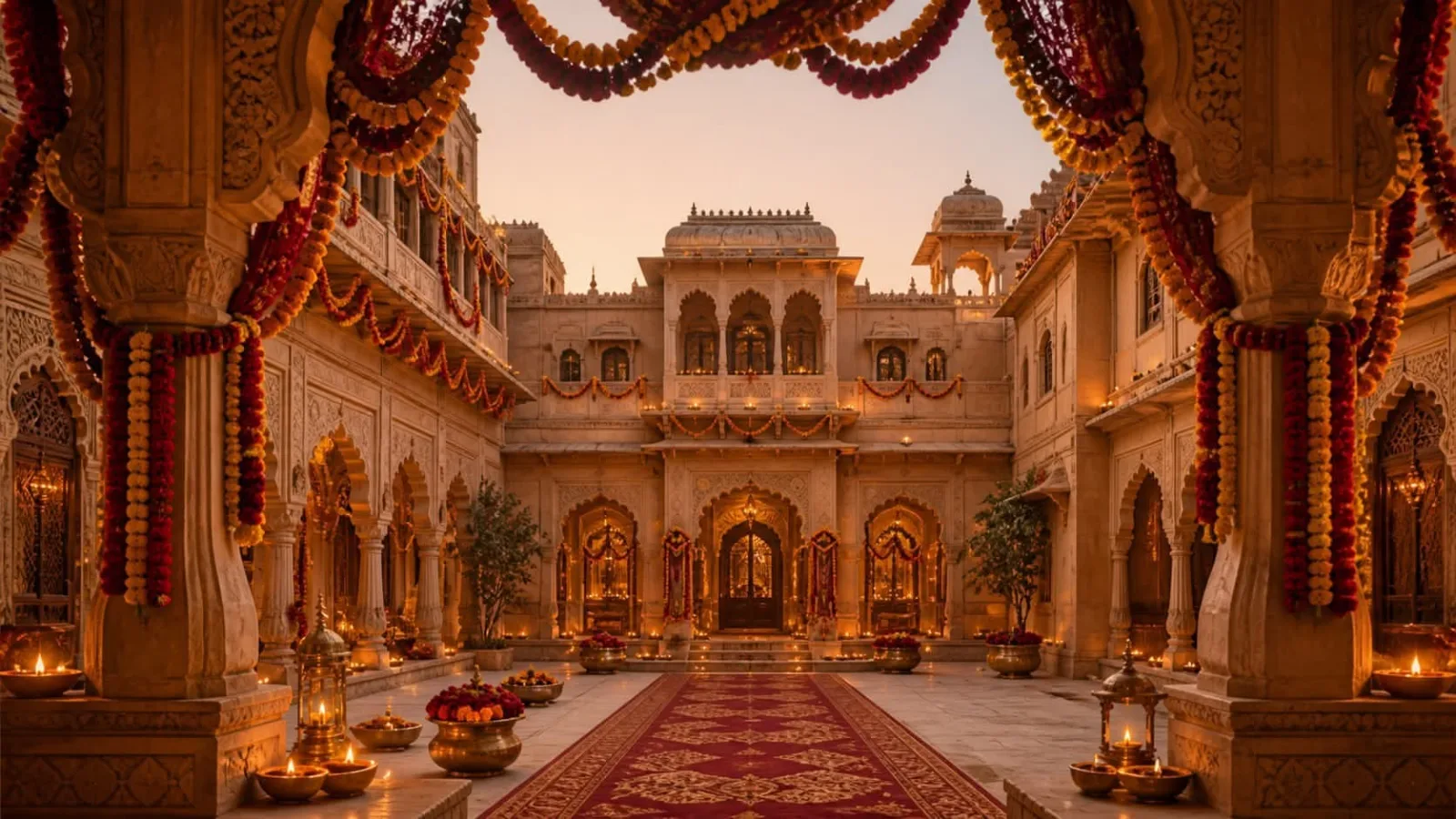
If you have ever driven through Udaipur, Jodhpur, or Bikaner between November and February, you have likely seen it: strings of marigold buntings across havelis, the sound of shehnai drifting from a haveli courtyard, and baraats winding through narrow lanes lit with diyas. This is Rajasthan's wedding season in full bloom, and for Rajput families, these four months carry a weight that goes far beyond convenient weather.
For parents beginning the rishta search for a son or daughter, understanding why this season matters — and when to start planning around it — can make the difference between a smooth, joyful wedding and a last-minute scramble for venues, priests, and pandals.
The Rhythm Behind the Season
According to tradition, much of Hindu India — Rajasthan included — considers the four monsoon months of Chaturmas, roughly from Devshayani Ekadashi to Devuthani Ekadashi, an inauspicious period for weddings and other new beginnings. Once Devuthani Ekadashi is observed, usually falling in late October or November, the wedding season is believed to formally open. From there until the onset of the harsher pre-summer heat around February-end, families across Rajasthan schedule the majority of their weddings.
There is also a practical, lived logic to this window that has nothing to do with the panchang. Rajasthan's summers are punishing, often crossing 45 degrees Celsius, making elaborate outdoor baraats, mehendi ceremonies, and multi-day festivities genuinely difficult. Winter, by contrast, offers cool mornings, pleasant afternoons, and starlit evenings — ideal for the kind of grand, multi-day celebrations that many Rajput families still hold dear, from the sagai to the phere to the reception.
Many Rajput families also point to the agricultural calendar as a quieter influence: with the kharif harvest largely done by autumn, extended families historically had more time, resources, and surplus grain to devote to hosting relatives and organising celebrations — a rhythm that, according to tradition, shaped when weddings were held long before printed invitations existed.
Why Muhurats Cluster So Tightly
Within the November-to-February window, weddings do not spread evenly across every date. Families typically consult a pandit or refer to a panchang to identify shubh vivah muhurats — specific auspicious dates and time windows considered favourable for the vivah sanskar. Because these muhurats are limited and often shared across an entire community or region, the same handful of dates can see dozens, sometimes hundreds, of weddings happening simultaneously across Rajasthan.
This clustering has real consequences for planning. Popular venues, from heritage havelis to banquet lawns, are often booked a year or more in advance for the most sought-after dates. Caterers, decorators, band-baaja-baraat troupes, and even tent and light suppliers get fully committed weeks before the season begins. Families who leave venue and vendor bookings for the last minute frequently find themselves settling for less ideal dates, higher prices, or venues far from their preferred location.
Why Rishta Planning Should Start Long Before the Season
Here lies the real lesson for families: if the wedding itself needs to happen within a tight winter window, the search for the right rishta needs to begin well before that. In many Rajput families, the process of shortlisting families, exchanging biodatas, arranging meetings, and having elders bless the match can take several months on its own — long before anyone even discusses a wedding date.
A rishta that is finalised in, say, August or September gives both families breathing room to select a muhurat, book a venue that suits the family's scale and stature, and invite relatives — including those travelling from other states or abroad — with adequate notice. Rushing this process to fit a specific date often means compromising on due diligence: verifying family backgrounds, understanding expectations around dowry-free customs, or simply giving the prospective bride and groom enough time to know and feel comfortable with one another before elders formalise the match.
This is precisely why many experienced families begin their search in spring or early summer, months before Devuthani Ekadashi even arrives. It also explains why matrimonial platforms built specifically for the community, rather than generic ones, can be so valuable — narrowing the search early to families who share similar Rajput customs, gotra considerations, and expectations, so that by the time the wedding season opens, the conversation has already moved from introductions to date-setting.
For families juggling this timeline across cities or continents, taking the first step early matters more than most people realise. Parents who create a free profile on Kunkupatri in the months before the season often find they have more time to consider matches thoughtfully, involve extended family in the decision, and still secure a good muhurat and venue — rather than choosing in haste simply because the calendar is closing in.
Planning Considerations for NRI Rajput Families
For Rajput families settled abroad, the November-to-February season carries an additional layer of complexity: flight bookings, visa timelines for relatives travelling from India, and coordinating leave from work months in advance. Many NRI families choose to begin rishta conversations even earlier than their India-based counterparts, sometimes as much as eight to ten months before the intended wedding season, precisely to accommodate these logistics.
It is also worth remembering that in many Rajput families, ceremonies such as the sagai, tilak, or mehendi may be scheduled around family visits to India, meaning the rishta itself often needs to be settled well before the wedding season conversation even starts. Building in this buffer avoids the stress of choosing a match under time pressure, purely because relatives are only available during a certain window.
Bringing Tradition and Practicality Together
Rajasthan's wedding season endures not because of superstition alone, but because it beautifully balances climate, custom, and community rhythm. The cool winter months allow for the kind of unhurried, joyous, multi-day celebrations that Rajput weddings are known for — full of family, ritual, and quiet dignity.
But this same beauty demands foresight. The families who enjoy the most peaceful wedding seasons are rarely the ones who start looking for a match in October. They are the ones who, months earlier, quietly began conversations, consulted elders, and gave themselves the gift of time. Whether you are a parent beginning this journey for the first time or searching for the right match for the second child in the family, starting early is, in many ways, the truest form of respect you can pay to tradition itself.